Le ciel pleura quarante joursThe Sky Wept for Forty Days(Le ciel pleura quarante jours)
VOD
Licence universitaireUniversity license
L'histoireThe story
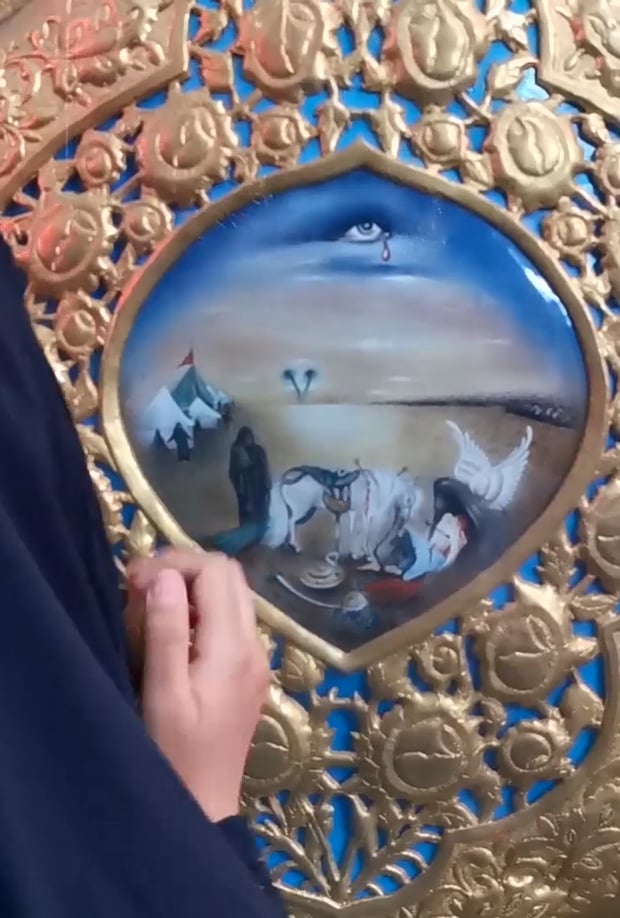
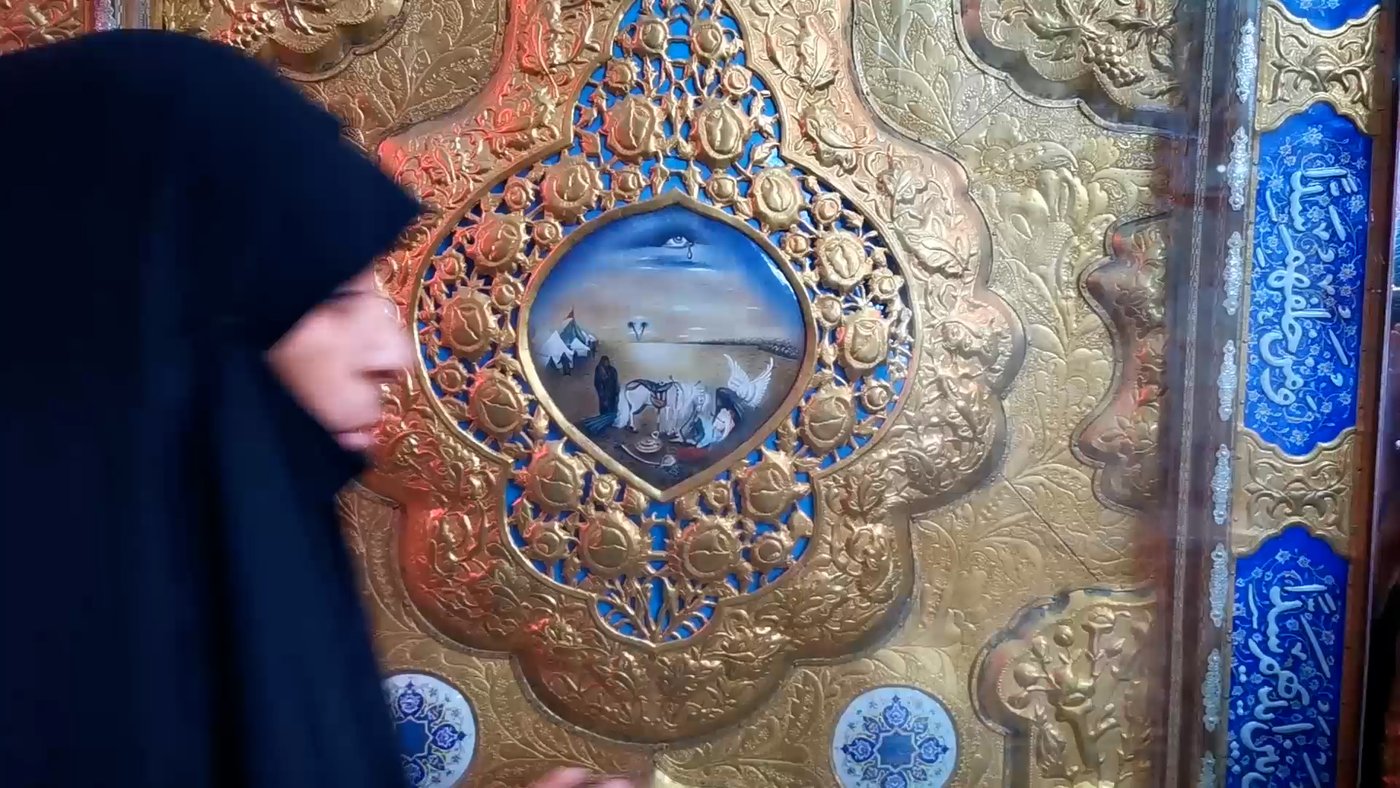
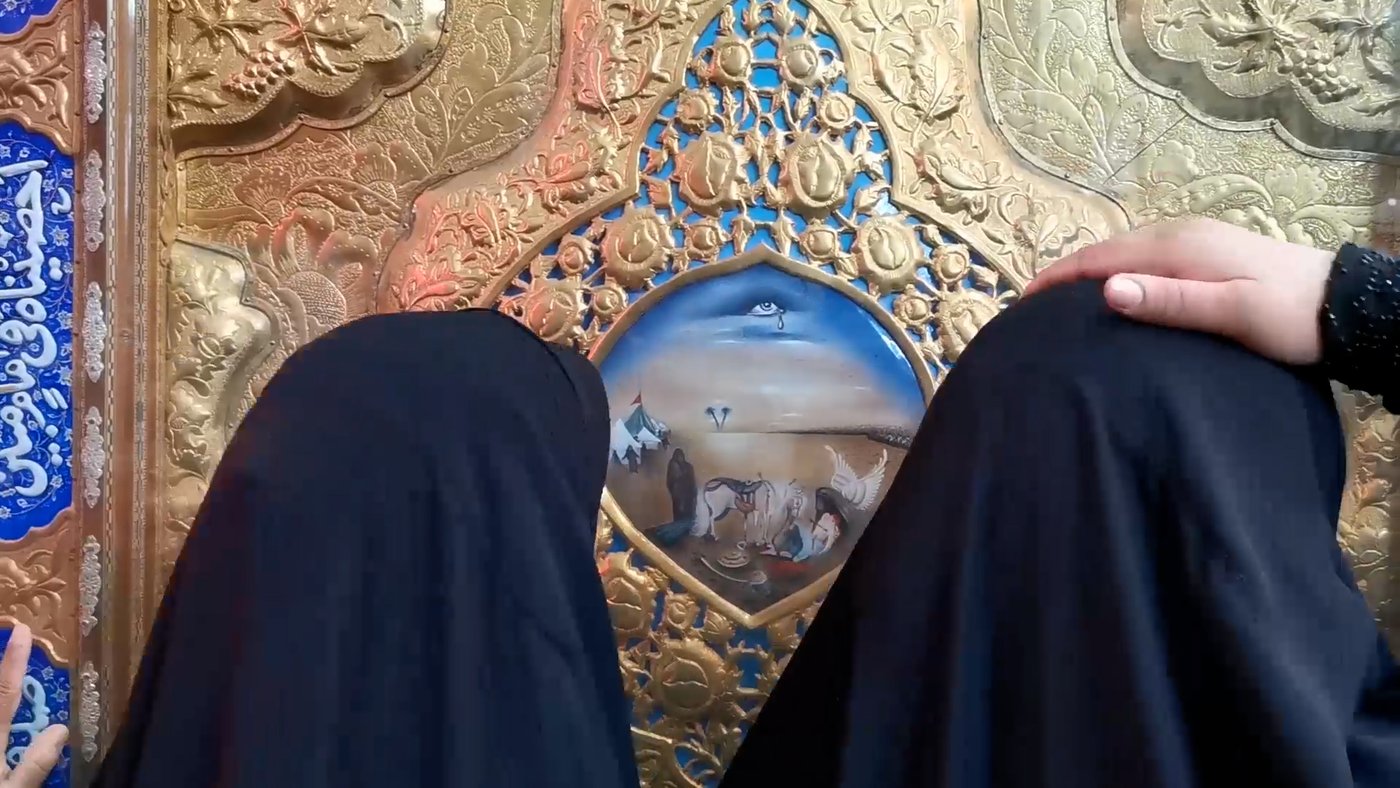
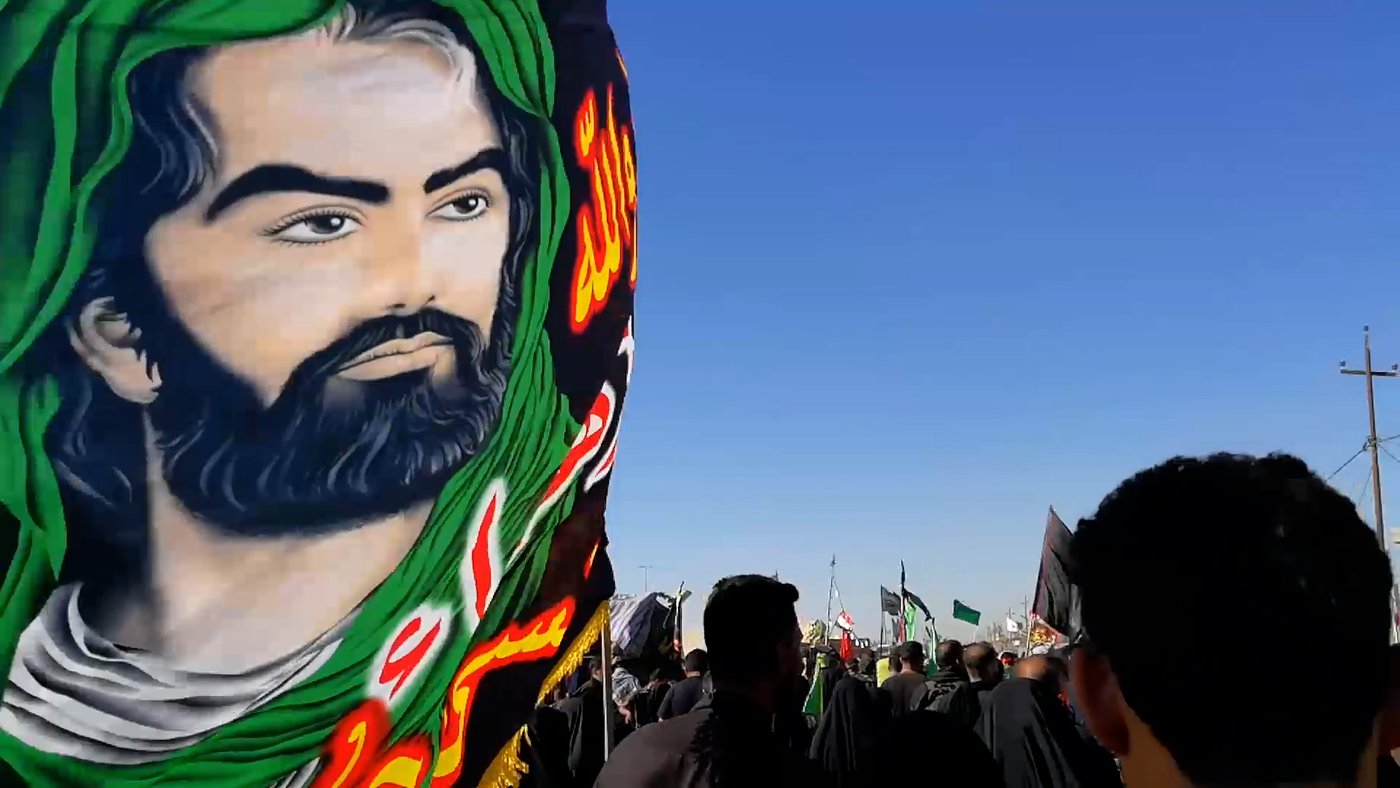
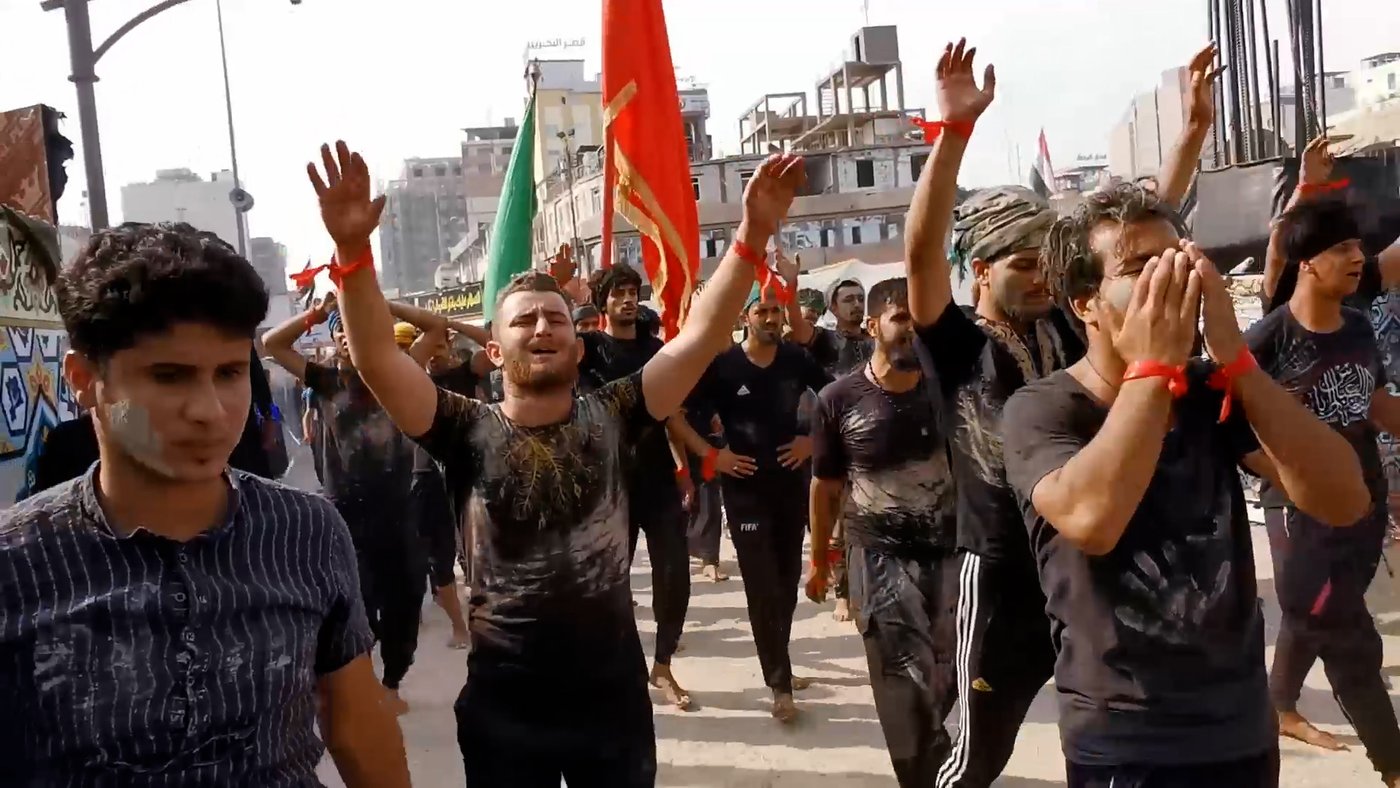
Plusieurs millions de pèlerins chiites convergent chaque année vers Karbala en Irak pour célébrer Hossein, qui trouva le martyre en 680. Leur voyage, à pied, dure au moins trois jours. Les habitants se mettent à leur service. Des processions commémorent le retour de la tête tranchée de Hossein vers son corps. La caméra se fond dans la foule immense parmi les processions et les performances ; les pèlerins chantent, pleurent et se frappent la poitrine jusqu’au sommet de la ferveur religieuse.
Several million Shiite pilgrims converge every year on Karbala in Iraq to celebrate Hossein, who was martyred in 680. Their journey, on foot, lasts at least three days. The inhabitants of the city are at their service. Processions commemorate the return of Hossein's severed head to his body. The camera delves into the huge crowd among the processions and performances; the pilgrims sing, weep and beat their chests to the height of religious fervor.
La réalisatriceFrom the director
J’ai filmé seule, avec un smartphone muni d’un micro, vêtue comme les pèlerines ; j’ai marché sur la route, déambulé dans les rues de la ville, jour et nuit. Ma familiarité avec la religiosité chiite et les sociétés du Moyen-Orient m’ont permis de m’intégrer dans le flot des pèlerins. Je ne voulais pas réaliser un film anthropologique avec point de vue surplombant, commentaires avisés de l’experte ; ni un film centré sur le « je » de l’anthropologue-cinéaste et ses relations avec les acteurs de « son terrain ». Ni un film sur un personnage, ni un film chorale.
Je voulais amener le spectateur à s’approcher, peu à peu, jusque vers l’apex du sanctuaire. Lui prêter mon empathie et mon regard pour transformer le sien, le libérer de ses préjugés en lui faisant découvrir une intensité insoupçonnée. Représentations, chants, gestuelle des frappes sur les torses : c’est toute une pop culture dont je compte montrer l’esthétique, derrière le kitsch des images et les sons qui saturent.
I filmed alone, with a smartphone equipped with a microphone, dressed like the pilgrims; I walked on the road, wandering the streets of the city, day and night. My familiarity with Shiite religiosity and Middle Eastern societies allowed me to integrate myself into the flow of pilgrims. I did not want to make an anthropological film with an overhanging point of view, with the expert's comments; nor did I want to make a film centered on the "I" of the anthropologist-film maker and his relations with the actors in "his field". Neither a film about a character, nor a choral film.
I wanted to bring the viewers closer, little by little, to the apex of the sanctuary. To lend them my empathy and my gaze in order to transform his, to free him from their prejudices by making him discover an unsuspected intensity. Representations, songs, gestures of strikes on the chests: it is a whole pop culture whose aesthetics I intend to show, behind the kitsch of the images and the sounds which saturate.
GalerieGallery
Générique & productionCredits & production
Historienne et anthropologue, Sabrina Mervin est directrice de recherche au CNRS. Ses travaux portent sur l’islam, particulièrement le chiisme, au Liban et en Irak, mais aussi en Iran ou en Inde. Après avoir vécu une douzaine d’années sur les terrains de ses recherches, au Proche-Orient et au Maghreb, elle continue de s’y rendre régulièrement. Elle a publié ou (co-)dirigé une douzaine d’ouvrages, dont Histoire de l’islam (Champs Flammarion, 2016), Najaf, the Gate of Wisdom (Unesco Publishing, 2014), Un réformisme chiite (Karthala, 2000, prix France-Liban 2002).Historian and anthropologist, Sabrina Mervin is a senior researcher at the CNRS. Her work focuses on Islam, particularly Shiism, in Lebanon and Iraq, but also in Iran and India. After having lived for a dozen years in the Middle East and the Maghreb, she continues to travel there regularly. She has published or edited a dozen books, including Histoire de l'islam (Flammarion, 2016), Najaf, the Gate of Wisdom (Unesco Publishing, 2014), Un réformisme chiite (Karthala, 2000, France-Lebanon Prize 2002).
Depuis longtemps, elle documente et enrichit son travail par la photographie, avec une démarche plus artistique. Son premier film documentaire, Le cortège des captives (tragédie chiite) (54 min, production Momento-CNRS Images, 2006), a obtenu le prix Mario Ruspoli au Festival Jean Rouch en 2007. Il a été projeté près d’une trentaine de fois dans des festivals de films et des manifestations scientifiques.For a long time, she has been documenting and enriching her work through photography, with a more artistic approach. Her first documentary film, The Procession of the Captives (A Shiite Tragedy) (54 min, Momento-CNRS Images production, 2006), won the Mario Ruspoli prize at the Jean Rouch Festival in 2007. It has been screened nearly thirty times in film festivals and scientific events.