Ouroboros
VOD
Licence universitaireUniversity license
L'histoireThe story
Un hommage à la bande de Gaza fondé sur l'éternel retour. Un voyage qui suit un homme à travers cinq paysages différents marque la fin comme un commencement, l'oubli comme manière d'avancer, et l'échec de la civilisation.
An homage to the Gaza Strip based on the eternal return. A journey following one man through five different landscapes marks the end as the beginning, forgetting as the way forward, and the failure of civilization.
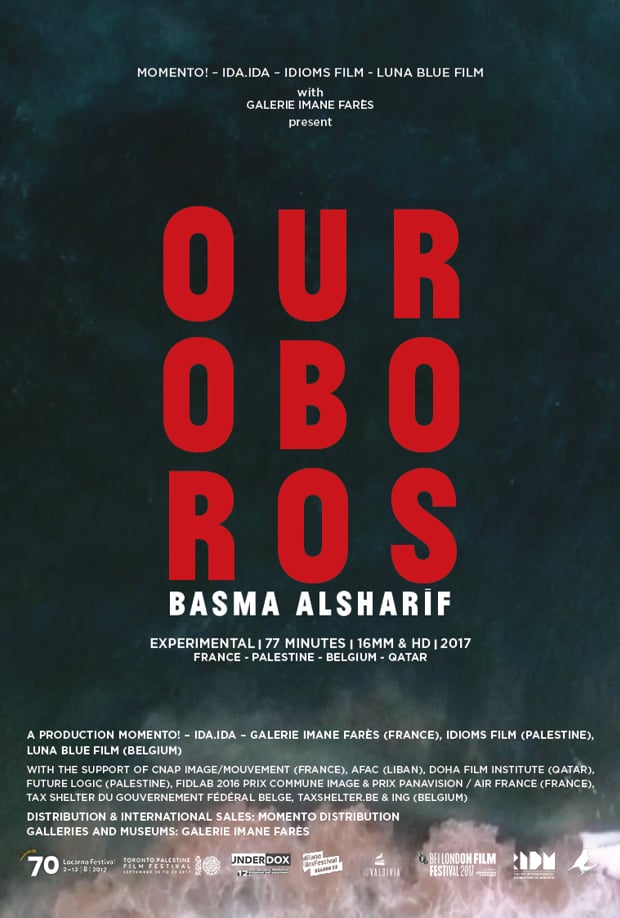
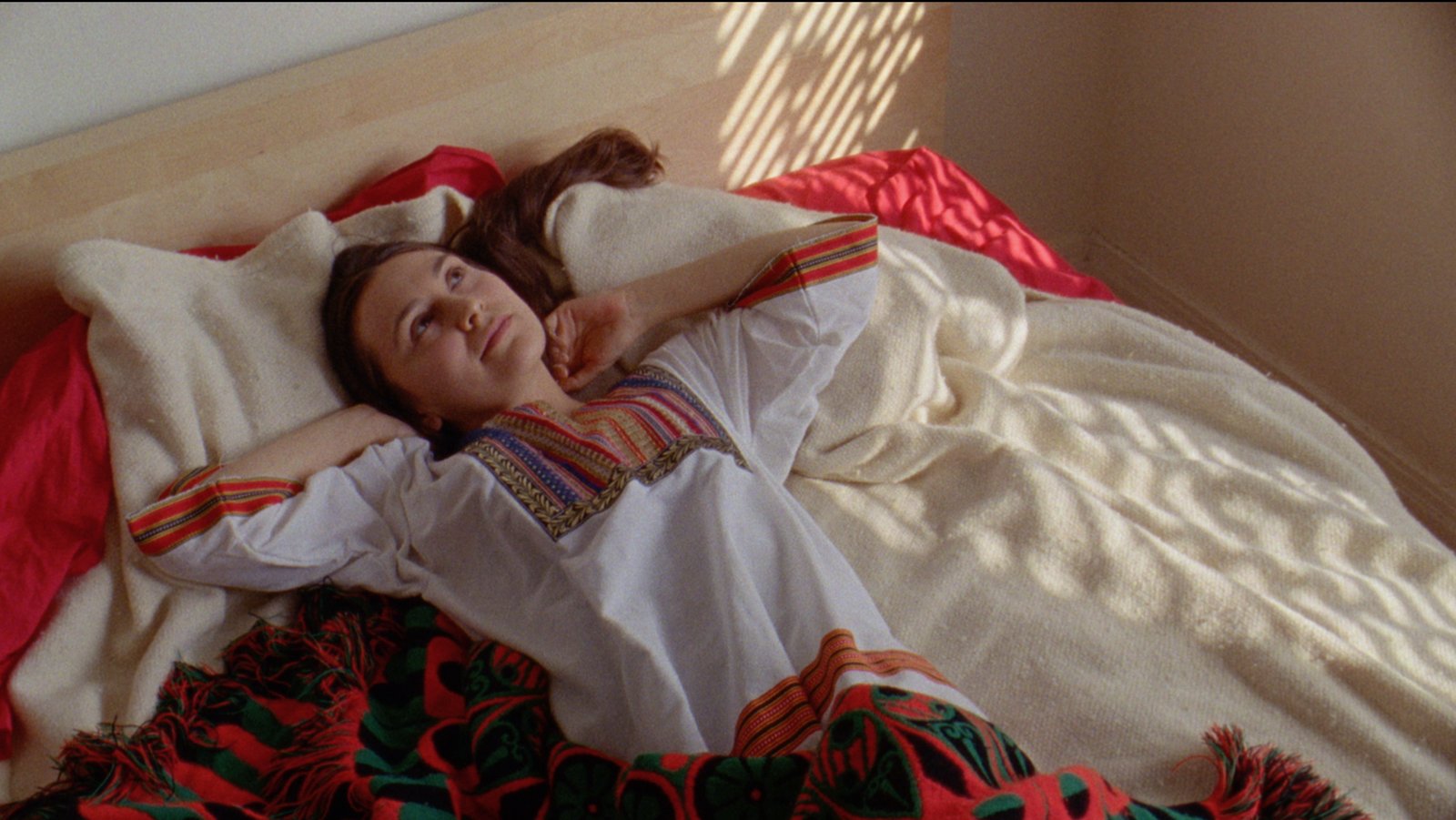
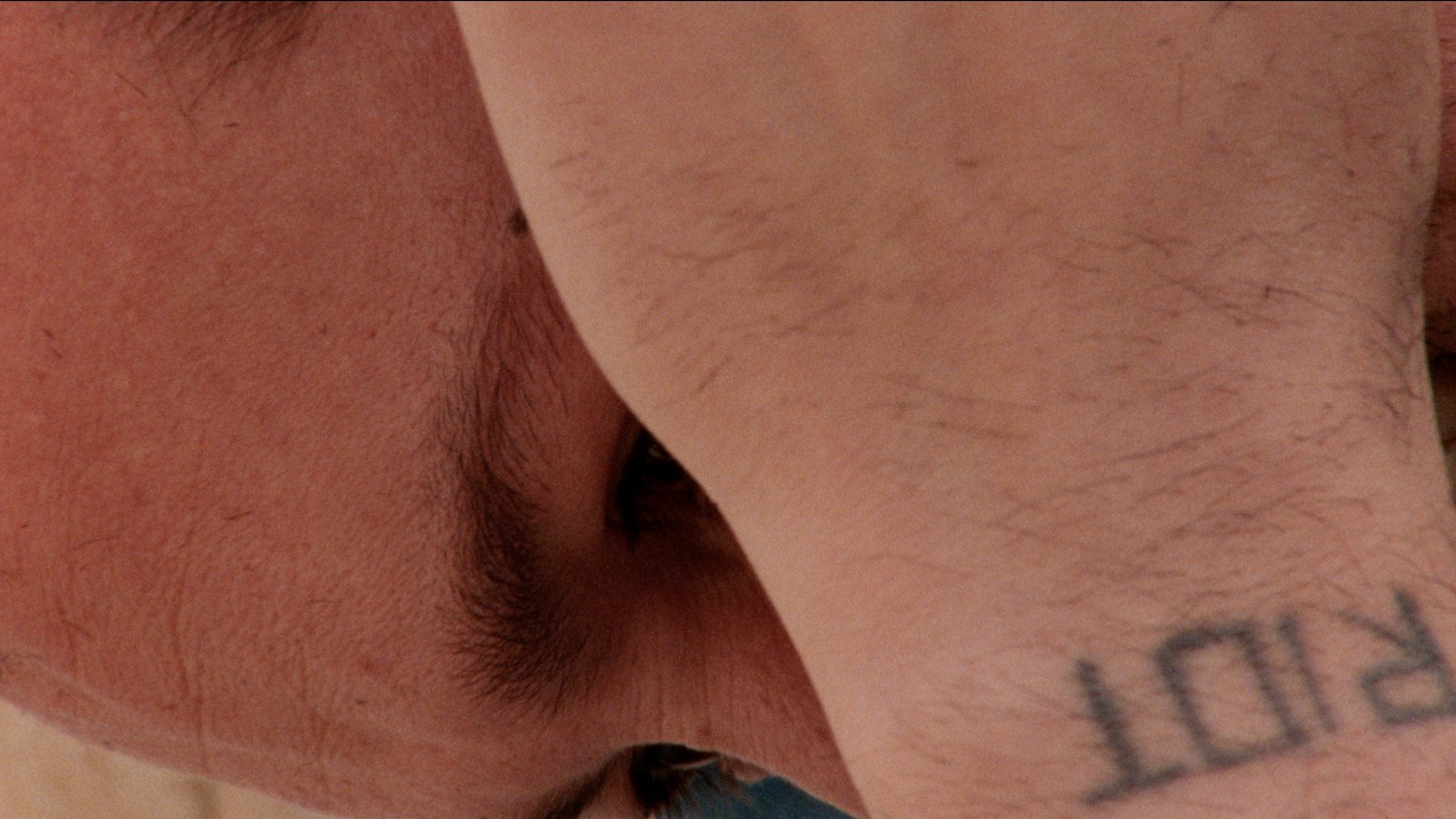
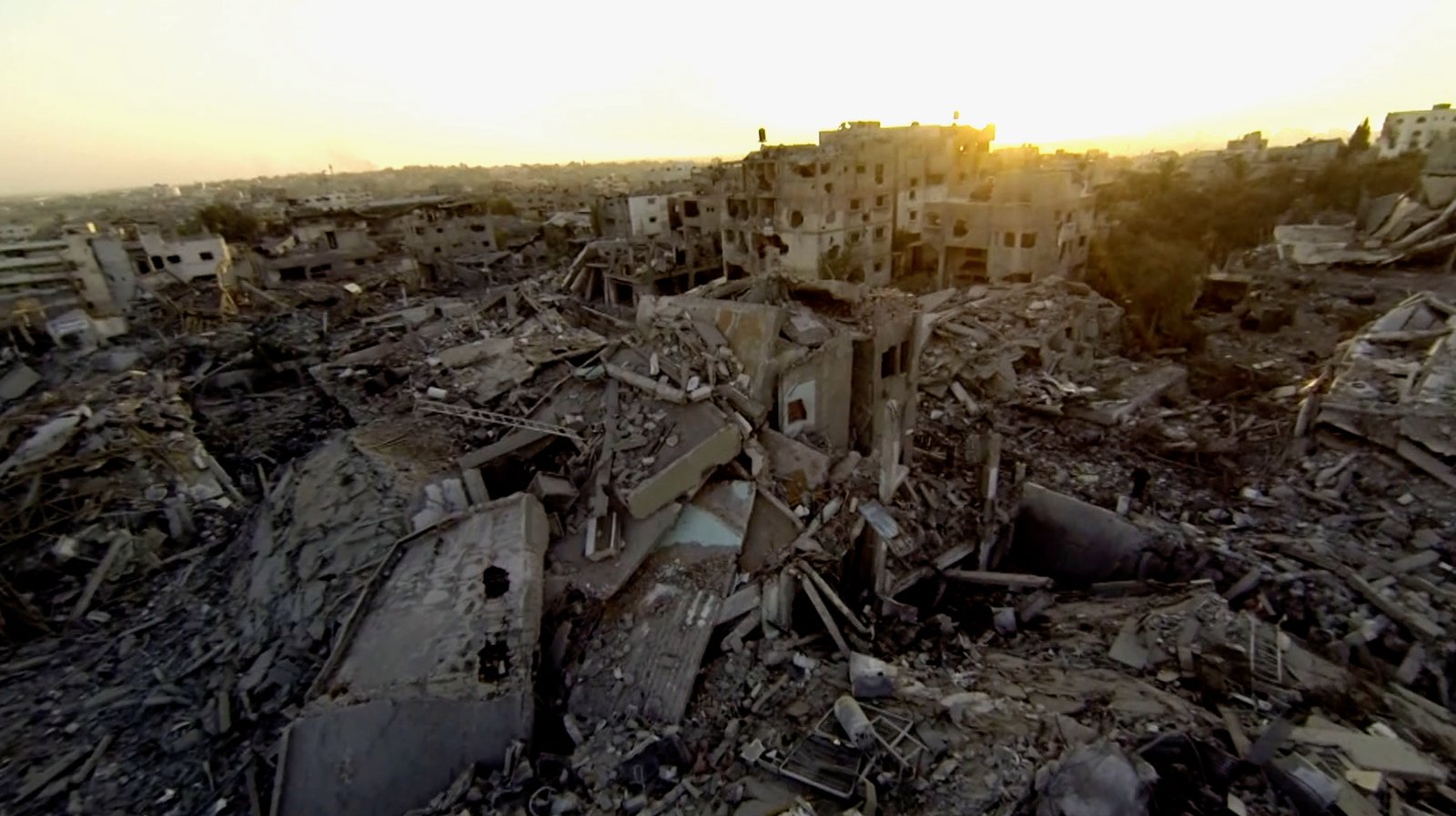
Premier long métrage de Basma Alsharif, Ouroboros est un hommage à la bande de Gaza fondé sur l'idée d'éternel retour. Ce film expérimental suit un homme à travers cinq paysages différents, bousculant la représentation médiatique du traumatisme. Un voyage hors du temps, où la fin marque le commencement, qui explore l'éternel retour et la manière dont on avance quand tout est perdu.
Basma Alsharif's first feature film, Ouroboros is an homage to the Gaza Strip based on the eternal return. This experimental film follows a man through five different landscapes, upending mass-mediated representation of trauma. A journey outside of time, marking the end as the beginning, exploring the eternal return and how we move forward when all is lost.
GalerieGallery
Générique & productionCredits & production
| Pays de productionCountry of production | France, Palestine, Belgique, QatarFrance, Palestine, Belgium, Qatar |
| Format de tournageShooting format | 16 mm / HD |
| Format de projectionScreening format | DCP 5.1 Dolby Digital, Blu-ray |
| LanguesLanguages | Chinook, anglais, italien — sous-titres anglaisChinook, English, Italian — English subtitles |
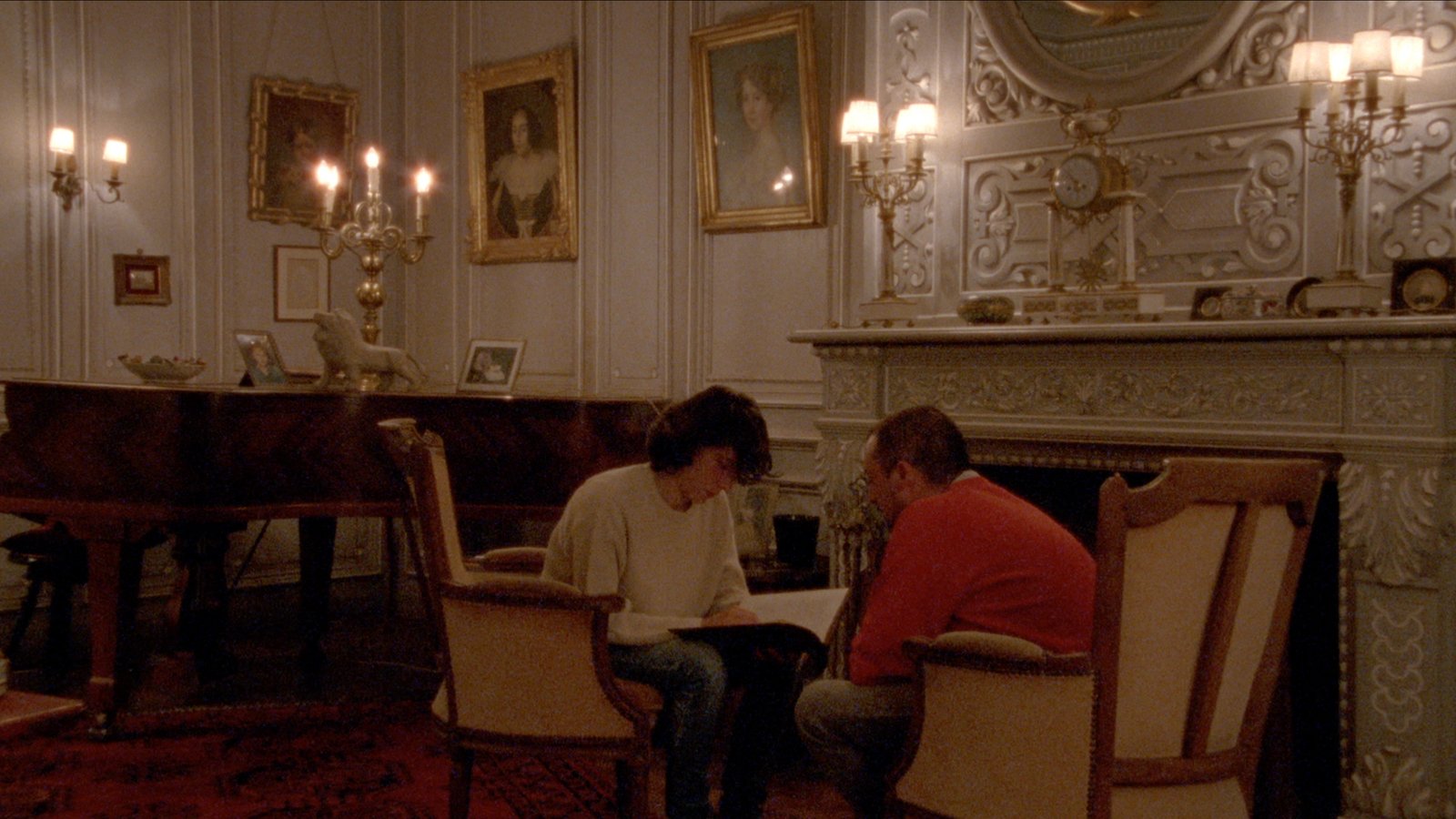
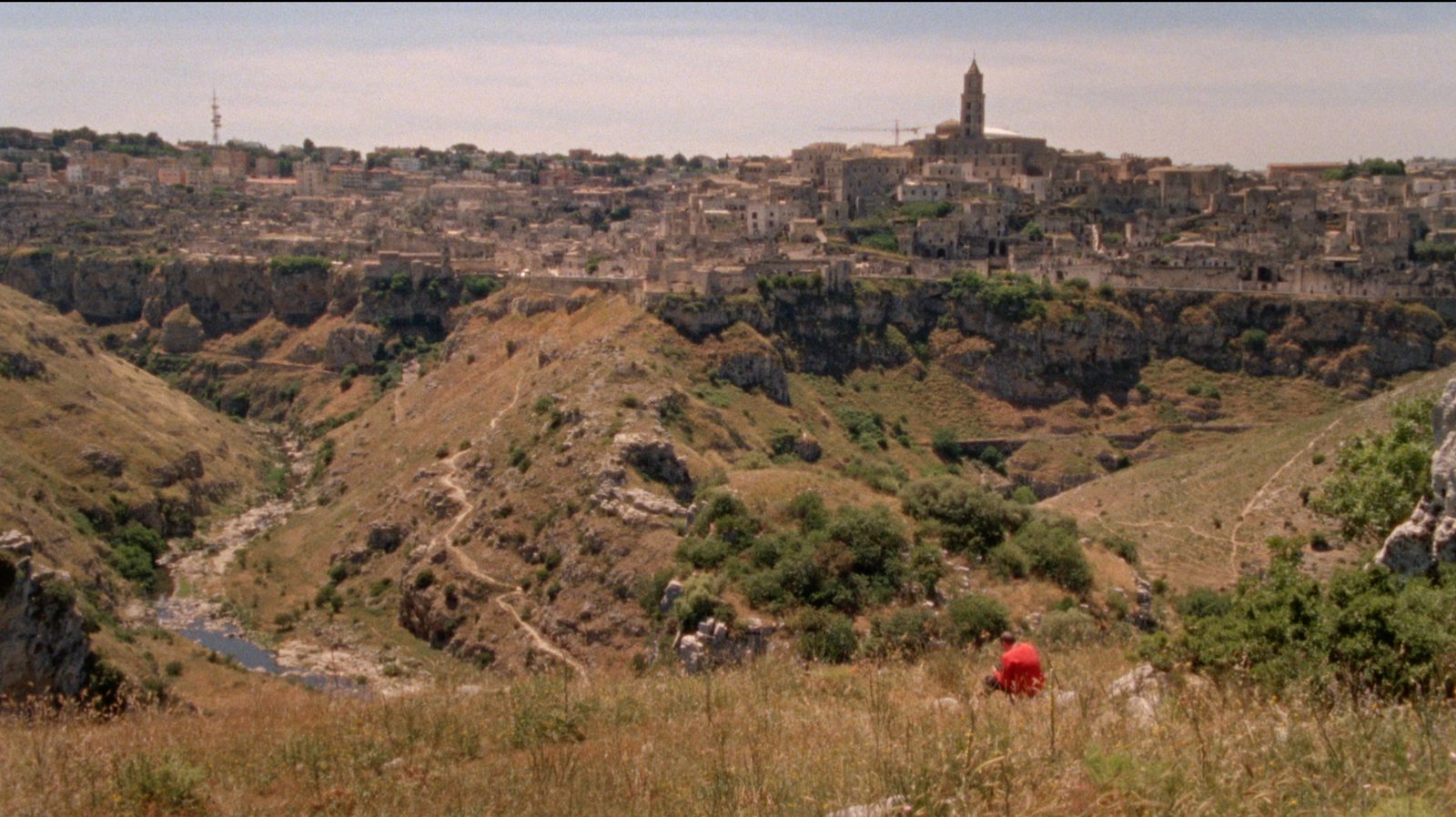
| Lieux de tournageLocations | Bande de Gaza (Palestine occupée) ; Los Angeles (États-Unis) ; Desert Studies Center, Mojave National Preserve (États-Unis) ; Matera et Martina Franca (Italie) ; Château de Trohanet, Langolen (Bretagne, France)The Gaza Strip, Occupied Palestine; Los Angeles, USA; The Desert Studies Center, Mojave National Preserve, USA; Matera & Martina Franca, Italy; Château de Trohanet, Langolen, Brittany, France |
Basma Alsharif, née en 1983 au Koweït, vit et travaille à Los Angeles (États-Unis). Née de parents palestiniens, elle a grandi en Bretagne et aux États-Unis tout en gardant, par sa famille, un lien fort avec la bande de Gaza. Titulaire d'un MFA de l'université de l'Illinois à Chicago (2007), elle a développé sa pratique de façon nomade entre Gaza, Le Caire, Amman, Beyrouth et Sharjah.Basma Alsharif, born in 1983 in Kuwait, lives and works in Los Angeles, United States. Born to Palestinian parents, she was raised in Brittany and the United States while, through her family, she maintained a strong connection to the Gaza Strip. She received an MFA from the University of Illinois, Chicago, in 2007 and developed her practice nomadically between Gaza, Cairo, Amman, Beirut and Sharjah.
Parmi ses principales expositions : la Biennale du Whitney (New York), les Rencontres de la photographie d'Arles, Les Modules (Palais de Tokyo, Paris), Here and Elsewhere (New Museum, New York), The Jerusalem Show (Fondation Al-Ma'mal pour l'art contemporain, Palestine), VideoBrasil et Manifesta 8. Elle a reçu un prix du jury à la Biennale de Sharjah, le prix de la Fondation Marcelino Botín et le prix de la Loop Fair. Elle est représentée par la Galerie Imane Farès, à Paris.Major exhibitions include the Whitney Biennial (New York), Les Rencontres de la photographie (Arles), Les Modules (Palais de Tokyo, Paris), Here and Elsewhere (New Museum, New York), The Jerusalem Show (Al-Ma'mal Foundation for Contemporary Art, Palestine), VideoBrasil and Manifesta 8. She won a jury prize at the Sharjah Biennial, the Fundación Marcelino Botín Award and the Loop Fair Prize. She is represented by Galerie Imane Farès in Paris.
Mots-clés : art visuel, expérimental, Palestine, image et politique, mémoireKeywords: visual art, experimental, Palestine, image-politics, memory
Ce qu'en dit la presseWhat the press says
« Un rejet de l'isolement imposé à Gaza et de la stase que ceux qui l'entretiennent espèrent engendrer : malgré ses airs sombres, Ouroboros parle en définitive d'espoir. »“A rejection of the isolation imposed on Gaza and the stasis that those who maintain it hope to engender, the visceral conclusion emphasizes that despite its somber pretenses, Ouroboros is ultimately about hope.”Daryl Meador, Electronic Intifada
« Un récit expérimental, fragmentaire, rêveusement décousu et esthétiquement immersif : un mélange grisant de réflexions d'essayiste, de saisissantes études de paysages et d'une histoire d'amour kaléidoscopique et disloquée, où le déplacement trouve de multiples voix. »“[…] a fragmentary, dreamily desultory, aesthetically immersive structure. It is a heady mix of essayistic musings, stunning landscape studies, and a kaleidoscopic, dislocated love story, in which displacement finds multiple, compelling voices.”Andréa Picard, Mousse Magazine
- Biennale du Whitney, Whitney Museum of American Art, New York, États-Unis, 2017Whitney Biennial, Whitney Museum of American Art, New York, USA, 2017
- 70e Festival de Locarno, compétition internationale « Signes de vie », Locarno, Suisse, 201770th Locarno Festival, “Signs of Life” international competition, Locarno, Switzerland, 2017
- Toronto Palestine Film Festival, Toronto, Canada, 2017Toronto Palestine Film Festival, Toronto, Canada, 2017
- BFI London Film Festival, Londres, Angleterre, 2017BFI London Film Festival, London, England, 2017